Lunchtime Ledger: The Chiller Cabinet Knows Who You Really Are
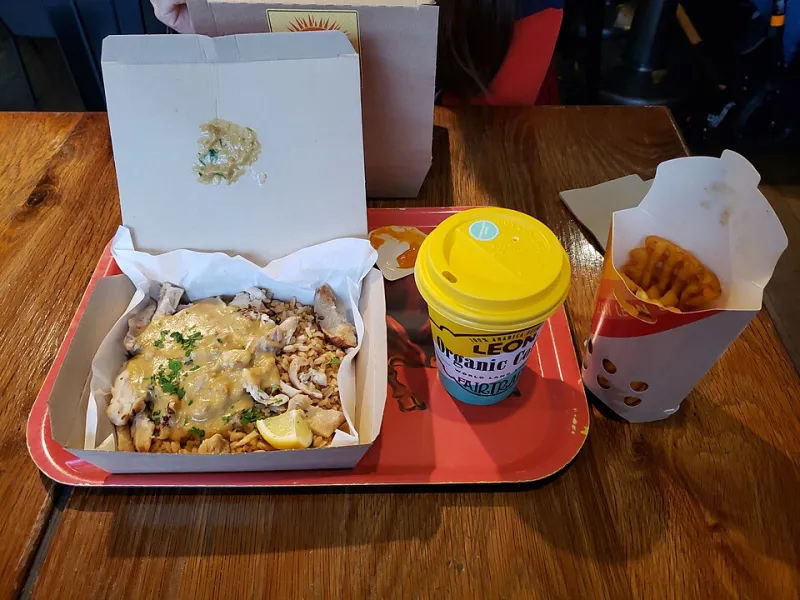
Photo: Andy Li, CC0, via Wikimedia Commons
Britain has produced many great character tests. The queue. The office mug. The lift that closes before you have finished saying morning. But none is as daily, democratic or quietly revealing as the chiller cabinet. At around 12:40 on any given weekday, millions of us stand in front of refrigerated shelves and assemble a small edible self-portrait. The meal deal is not simply a discounted lunch. It is a personality test with a receipt.
The chiller cabinet is a confessional
Nobody means to reveal themselves at lunchtime. That is what makes it so useful. By the time you have reached the till, you have made a series of small decisions that say more about your mood, your self-image and your relationship with your own appetite than most annual appraisals. The sandwich is the headline. The snack is the subclause. The drink is the tone of voice. And the queue behind you is the readership.
In 2026, the ritual has survived inflation, app-based ordering and the rise of the sad desk salad. Tesco, Co-op, Boots and Sainsbury’s still offer their variations on the theme, while M&S and Waitrose hover nearby like a more expensive conscience. The prices have crept up, but the choreography has not changed. You enter the shop as one person and leave as a slightly more legible version of yourself.
The triad is the tell
Sandwich, crisp, drink. The holy trinity of the British lunch break. On paper, it is just fuel. In practice, it is a three-part character reference.
The sandwich tells people how you are managing your day. Egg and cress is a person who likes tradition but not fuss. Chicken salad is a person who has a spreadsheet open and a gym bag under the desk. The all-day breakfast sandwich is not a lunch choice; it is a cry for a different week. And the prawn mayonnaise loyalist is someone who has made peace with being mildly divisive at parties.
The crisp is the id of the meal deal. Salt and vinegar suggests a person who enjoys a small argument. Ready salted is someone who claims to have no preferences and secretly has many. Cheese and onion is a person who values loyalty over novelty. And the person who chooses the sharing bag is either generous or lying to themselves about portion control.
The drink is the closing statement. A Diet Coke says you are a functioning adult with a brand. A smoothie says you would like to be a functioning adult with a Nutribullet. Water says you are either very disciplined or very hungover. An energy drink says you have a deadline and no plans to respect your own nervous system.
The premium upgrade is a costume change
The most loaded move in the chiller cabinet is the upgrade. Swapping the own-brand sandwich for the premium one is not really about hunger. It is about self-concept. That extra pound or two is a micro-investment in the version of yourself who deserves the better bread, the more thoughtful filling, the crisper lettuce.
It is also a public signal. The premium sandwich says you are having a day that merits a little more care. It says you have either been paid, been praised, or decided that the alternative is another sad triangle of beige. But the premium sandwich with the own-brand crisps is a coalition government: aspiration on the front bench, pragmatism in the back. And the premium sandwich with the premium snack and the premium drink is not a meal deal at all. It is a small ceremony of self-regard, and honestly, good for you.
The rogue salad and the wellness alibi
Then there is the salad. Not a salad as part of a meal deal, but the rogue side salad that enters the basket like a witness for the defence. The protein pot. The kombucha. The little tub of edamame that costs more than the sandwich and delivers less joy than a crisp.
This is not lunch. It is a press release. It says: I am disciplined. I am optimised. I have a 7am gym slot and I will mention it. The salad is not the problem. The salad as moral cover is the problem. Because the chiller cabinet is where British wellness culture and British self-deprecation meet in a fluorescent aisle and pretend not to recognise each other.
What the office actually reads
Your colleagues are not auditing calories. They are auditing consistency. The person who buys the same meal deal every day is reliable, perhaps institutionalised, definitely predictable in a crisis. The person whose basket changes wildly each lunchtime is either creatively unbound or one bad meeting away from a complete rebrand. The person who never buys lunch is mysterious, frugal, or simply better organised than everyone else. The person who buys lunch every day and never eats it is a mystery the office will discuss for months.
And the person who offers to pick up lunch for the whole team? They are not just kind. They are running a small, effective diplomacy operation from the sandwich aisle.
The receipt is not the whole story
The meal deal is also an economic ritual, and it is worth saying that not everyone has a fiver for lunch. Some people have Tupperware. Some people have leftovers. Some people have a packet of biscuits in a drawer and a dream. The chiller cabinet is a stage, not a verdict. It is a place where we perform a version of ourselves, but it is not the whole of who we are.
Still, if you are going to perform, know your lines. The meal deal is a daily act of self-branding, and the British public is reading it with the quiet, forensic attention usually reserved for a neighbour’s new fence.
A lunch that knows itself
The best meal deal is not the most virtuous one. It is the one you would choose if nobody were watching. The one that actually suits the day you are having, rather than the day you think you should be having. The chiller cabinet sees you. It does not judge. It just prints the receipt.